Table Of Content
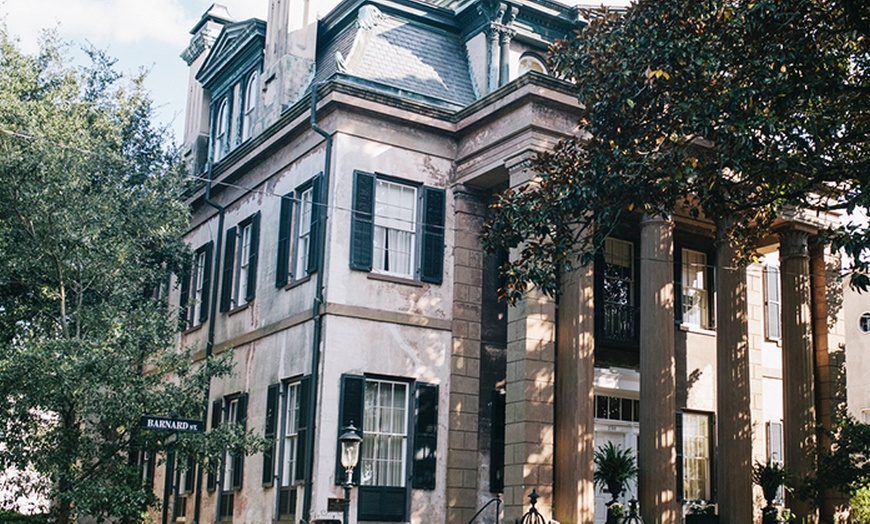
The Sorrel-Weed House was built for French Haitian merchant Francis Sorrel in the 1830s in the Greek Revival style. The site was where the Battle of Savannah took place in 1779. The Sorrel family lived there through the Civil War and even hosted Robert E. Lee. In 1969, the most famous owner, Jim Williams bought the property.
Historic Savannah House Museums
Welcoming all motion pictures, movie shoots, photo shoots, music video productions, and artistic events. Many of these formerly private homes now operate as Savannah’s historic inns and bed and breakfasts. Preservationist Alida Harper Fowlkes not only restored ten homes but also operated The Georgian Tea Room in the basement of the Pink House in 1929. The Scarbrough House at the Ships of the Sea Maritime Museum is located at 41 Martin Luther King Jr. It had the first indoor plumbing in the country, created by architect William Jay, who went on to create homes in Charleston and his native England.
Visiting the Harper-Fowlkes House
The Flannery O’Connor childhood home is one of Savannah’s more unique historic house museums. It is the only house museum that depicts life as it would have been during the Great Depression of the early 20th century. It also provides an insight into life for a more modest middle class family, in contrast to the homes of Savannah’s elite.
Savannah Historic Landmarks
Surprisingly, Alida was neither a Champion nor a McAlpin. Alida had actually purchased the house in 1939 through an auction held by the Citizens and Southern National Bank. Alida was, nevertheless, the longest occupant of the Harper Fowlkes House, and for whom the mansion is best known for. For nearly one hundred years, Pin Point was isolated and self-sustained, a Gullah/Geechee enclave founded by first-generation freedmen where life was deeply connected to the water.
SAH Archipedia tells the story of the United States through its buildings, landscapes, and cities. This freely available resource empowers the public with authoritative knowledge that deepens their understanding and appreciation of the built environment. Alida’s attachment to the Harper Fowlkes House predates her ownership.
Architecture of the Harper Fowlkes House
It is restored to reflect the life of an upper class southern family in the late 19th century, also displaying many artifacts from Low’s life and the history of Girl Scouting. New England builder and architect Isaiah Davenport built this house for his family from around 1820, completing it a year or so later. A large and distinctive red brick structure, it is designed in the Federal style, popular from the last decades of the 18th century.
BUNNY IN THE CITY: History unfolds at Pin Point Arts & Oysters - Savannah Morning News
BUNNY IN THE CITY: History unfolds at Pin Point Arts & Oysters.
Posted: Sat, 15 Feb 2020 08:00:00 GMT [source]
Gothic revival architecture, wealth and Civil War is a fitting introduction to our next home. Englishman Charles Green enlisted architect John Norris of New York in 1850 to build an elaborate home for him and his second wife, Lucy Hunton. Ft., the Green-Meldrim House now stands at Bull Street and Harris Street. Green had three sons from his prior marriage with his wife Catherine Burroughs before her death and went on to have seven additional children with Lucy. When you’re working with a designer who believes in your details, it’s important to choose an experienced photographer. If you’re ready to chat about hiring your wedding photographer, contact me here.

Green Meldrim House
With six chimneys, twelve fireplaces, and a double parlor, the Harper Fowlkes House has much to see. The Harper Fowlkes House later passed to Henry Champion McAlpin, who lived in the mansion alongside his wife, Isabel. Isabel saw to the mansion’s renovations, improving the Harper Fowlkes House with a reconfigured stairway and third story.
Today, the factory has been reopened as Pin Point Heritage Museum, celebrating the life, work and history of this Gullah/Geechee community that calls Pin Point home. Following the property’s donation to USC by Harriett, the Freeman House experienced significant damage caused by the 1994 Northridge earthquake. In 2000, after the building was deemed uninhabitable, USC commenced with seismic repair and stabilization of the house.
The Andrew Low House was built in 1848 in the Italianate style for the self-made Scottish immigrant. He became Savannah’s wealthiest citizen through the cotton trade. Over the years, his lavish home hosted Robert E. Lee and the Earl of Roxbury. Walk the adolescent halls of one of America's most prominent literary intellects at the Flannery O'Connor Childhood Home. O'Connor was an only child living a sheltered life with a lively imagination. Discover O'Connor's call to fame at five years old for teaching her chicken to walk backward.
As a girl, Alida would take the Bernard Street trolley to catch a glimpse of this eye-catching nineteenth-century estate. Alida even declared that she would “someday own that house.” How excited she must have been to finally procure the property. Although they were left with equal shares of the property, there was a feud between Henry’s third wife, Mary, and the daughter of Henry’s first wife, Claudia.
Enter past the grand columns as you enter the architectural masterpiece. Gorgeous oil paintings adorn the walls, while luxurious furnishings are intricately placed throughout the home. Willed to the Society of Cincinnati in the State of Georgia by Fowlkes in 1985, the impressive abode has welcomed visitors through its doors since 2008.
Tours are offered from Tuesday to Saturday from 10 am to 5 pm and Sunday to Monday from 12 to 5 pm. Tickets are $20 for adults, $18 for seniors and military, $15 for students, and $5 for children. Telfair Academy is located at 121 Barnard Street, south of namesake Telfair Square.
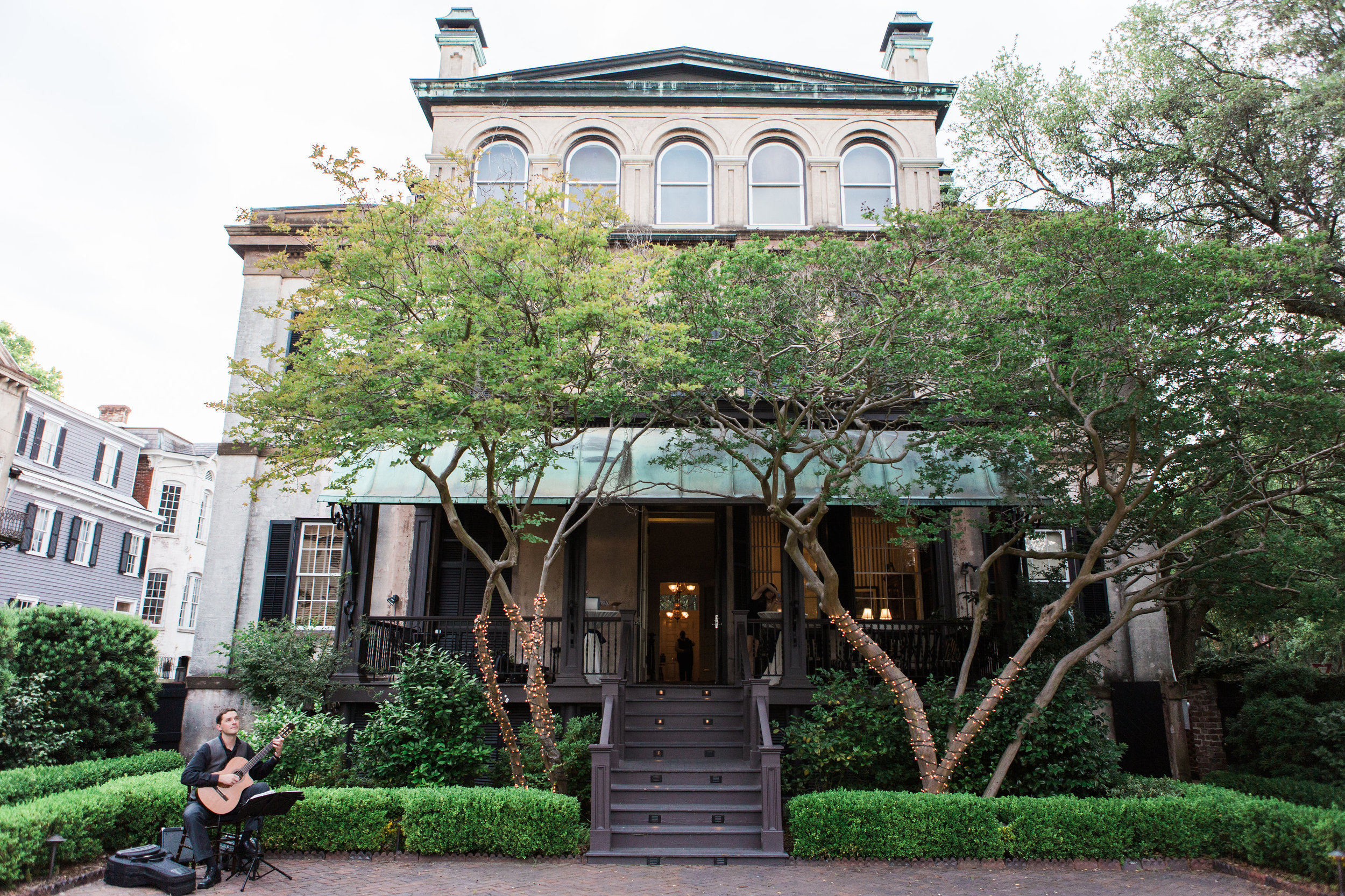
It was designed by John S Norris, and is considered an excellent example of Gothic Revival architecture. Savannah has an unusually large number and variety of historic house museums for a city of its size. Most of them date from the early to mid 19th century and are restored to reflect that period. The Davenport House Museum was one of Savannah‘s first historic house museums and the Historic Savannah Foundation was created solely to save it from demolition. Built in 1820, the two-and-a-half-story brick structure was the home of Isaiah Davenport, his family, and his slaves.




No comments:
Post a Comment